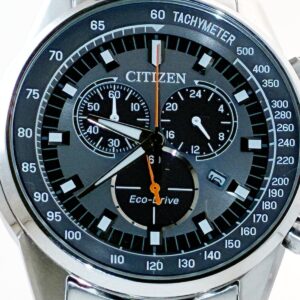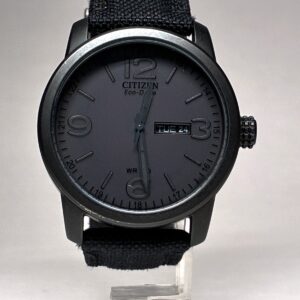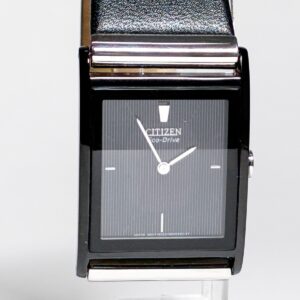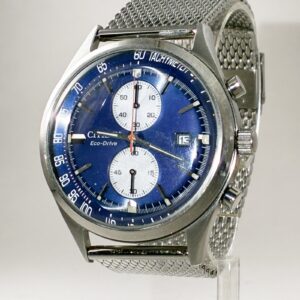
If you’ve got a watch sitting in a drawer and you’re wondering what it’s actually worth, you’re not alone. Every week, people search for a straight answer and end up with vague estimates, lowball offers, or a pawn shop quote that has nothing to do with the real market. This guide walks through what actually determines a watch’s value, so you can go into a sale with realistic expectations, whether you’re selling to us or anywhere else.
What Counts as “Vintage,” Anyway
You’ll see this word used loosely, sometimes for anything over 20 years old, sometimes reserved for pieces closer to 50 or 60. There’s no official cutoff. The generally accepted start of “antique” is 100 years, but there’s no standard term for everything in between, so “vintage” ends up covering a wide range. For the purposes of this guide, we’re using a practical definition: roughly 20 years old or more. A lot of watches from the 1970s through the early 2000s fall into this window, and it’s worth knowing that parts for many of them are genuinely hard to find or expensive to source, which is one of the biggest factors in what they’re worth today.
The Factors That Actually Move the Price
These aren’t equally weighted. Brand and originality tend to set the ceiling on what a watch could be worth. Condition and documentation decide how close it actually gets to that ceiling. A rare model in rough shape can still beat a common model in great shape, but a common model in great shape will almost always beat the same model in rough shape. Here’s how each one plays out.
Brand and model. This is the obvious one, but it matters more than most sellers think. A well-known reference in a collector niche can be worth many times more than a similar-looking watch from an unknown maker, even if they look nearly identical at a glance. This is the factor that sets the range you’re working within before anything else gets considered.
Condition, inside and out. A clean dial and case matter, but what’s happening inside the movement matters just as much, sometimes more. A watch that looks great but runs poorly, or one that hasn’t been serviced in decades, will sell for less than its outward appearance suggests. We once looked at two examples of the same everyday dress watch, same year, same reference number. One had sat in a drawer running rough for a decade. The other had been kept up. The rough one wasn’t worth much more than its case metal. The one that had been maintained sold for close to four times as much, even though side by side in photos they looked almost identical.
Originality. Replaced parts, aftermarket dials, and mismatched components can significantly lower value to a serious buyer, even if the watch still works fine. Collectors pay a premium for pieces that are all original or that have documented, correct service history. A watch with a replacement crystal or a re-lumed dial isn’t ruined, but it’s a different watch to a buyer who’s comparing it against an all-original example, and the price reflects that.
Documentation. A watch with proof of running accuracy and service history will consistently sell for more than the same watch with no paperwork at all. This is one of the most overlooked value factors, and one of the easiest to fix before you sell. Buyers can’t verify what they can’t see, so a watch with no history behind it gets priced as an unknown, even if it’s actually fine.
Market demand right now. Watch values shift with trends. Some references that were affordable a few years ago now command real premiums, and vice versa. A snapshot estimate from a general “watch value” site is often outdated by the time you read it, since these markets can move meaningfully in a matter of months.
A Tale of Two Watches
Take a mechanical watch from the late 1970s or early 1980s. In non-running condition with a worn bezel and unknown movement condition, it might fetch a modest price from a casual buyer who just wants “a cool old watch.” The same watch, running accurately with documented timing and original hands and case parts, can sell for two to three times as much to a buyer who knows exactly what they’re looking at.
That gap isn’t marketing. It’s the difference between a watch someone hopes runs well and a watch someone knows runs well.
Now take the opposite case, because not every watch follows this pattern. A common quartz watch from the 1990s, even one in excellent cosmetic condition with the original box and papers, often won’t be worth much more than a similar quartz watch with none of that. Quartz movements are simple, parts are usually easy to find, and there isn’t a collector market bidding the price up the way there is for certain mechanical references. We’ve seen sellers surprised in both directions: someone convinced their beat-up mechanical watch was “just an old watch” and stunned to learn it was worth real money once serviced and documented, and someone else with a pristine quartz watch, box included, disappointed to learn condition alone doesn’t create demand that isn’t already there.
The lesson from both stories is the same. It’s never just age, and it’s never just looks. It’s the specific combination of what the watch is, what shape it’s actually in, and whether a buyer can trust what they’re being told about it.
How to Check for Yourself
Before you take anyone’s word for what your watch is worth, including ours, it’s worth doing a little homework. A place to start is eBay’s sold and completed listings. First enter your watch’s exact reference to the Keywords field. Verify that Sold and Completed items are checked,then press Search.
The results you get are not currently active “asking price” listings, since those only tell you what a seller hopes to get, not what a buyer actually paid. What you’ll see are sold prices that give you a real sold price range. When you find a match to your watch, note the condition and the shipping cost. If the condition is similar, adding the shipping to the sold price will give you a total price. Hopefuly you will find enough comprable sales to determine a retail value for your watch. If you can’t find your exact model, look for the closest match in brand, era, and movement type, and adjust for condition and originality using the factors above. This won’t give you an exact number, since private details like movement condition rarely show up in a listing photo, but it will get you close enough to know if an offer is fair.
Wholesale vs. Retail: Why an Offer Won’t Match the Sold Listings
Here’s something worth understanding before you compare an offer to what you found in sold listings: those numbers are retail prices, meaning what an end buyer paid the long time watch owner, not what a reseller offered upfront. A wholesale offer, the kind you’d get from us or anyone in the business of buying and reselling watches, will typically land meaningfully below that retail number. That’s not an attempt to lowball you, it’s a different transaction with a different set of trade-offs.
The gap exists because a reseller is doing real work and taking on real risk in exchange for that margin. We’re buying with our own money on the spot, which means we’re the ones waiting, sometimes a long time, for the right buyer to come along. We’re the ones photographing, listing, answering buyer questions, and handling anything that goes wrong after the sale. And we’re the ones who lose money if a watch turns out to be worth less than expected once we look closer. That risk and effort has to be priced in somewhere, and it’s priced into the gap between wholesale and retail.
What you’re trading for that lower number is speed, certainty, and zero effort. Selling retail yourself means photographing the watch well, writing a listing, fielding questions from strangers, dealing with a buyer who might change their mind or a payment that might fall through, and waiting for the right person to find your listing. That can take weeks or months, and it’s real work. Selling wholesale means a number today, paid in full, with none of that hanging over you.
To be direct about it: if you have the time and patience to sell it yourself, you’ll likely net more money doing that. There’s nothing wrong with going that route, and plenty of sellers should. Where a wholesale sale makes sense is when speed, certainty, or simply not wanting to deal with strangers and shipping matters more to you than squeezing out the last dollar. Knowing which one you’d rather have is really the whole decision.
Getting a Real Answer
A quick photo and a description can only tell you so much. If you want an honest, specific valuation for your watch, reach out and we’ll walk you through what your particular piece is actually worth and why.