If you’ve spent any time shopping for a watch, you’ve probably run into the word “movement” and moved on without fully knowing what it means. The movement is the mechanism that actually makes a watch run, and which type a watch has affects everything from how you take care of it to what it’s worth. This guide breaks down the main types in plain terms, so you know what you’re looking at the next time you’re comparing watches.
What a Movement Actually Is
The movement is the internal engine of a watch, the collection of gears, springs, and components (or, in some cases, a battery and a circuit) that keeps time and drives the hands. Everything else, the case, dial, hands, and strap, is essentially housing for the movement. Two watches can look nearly identical on the outside and be completely different machines on the inside, and that difference matters more than most buyers realize going in.
There are three main categories: automatic, manual, and quartz. A few less common types exist too, and we’ll touch on those at the end.
Automatic Movements
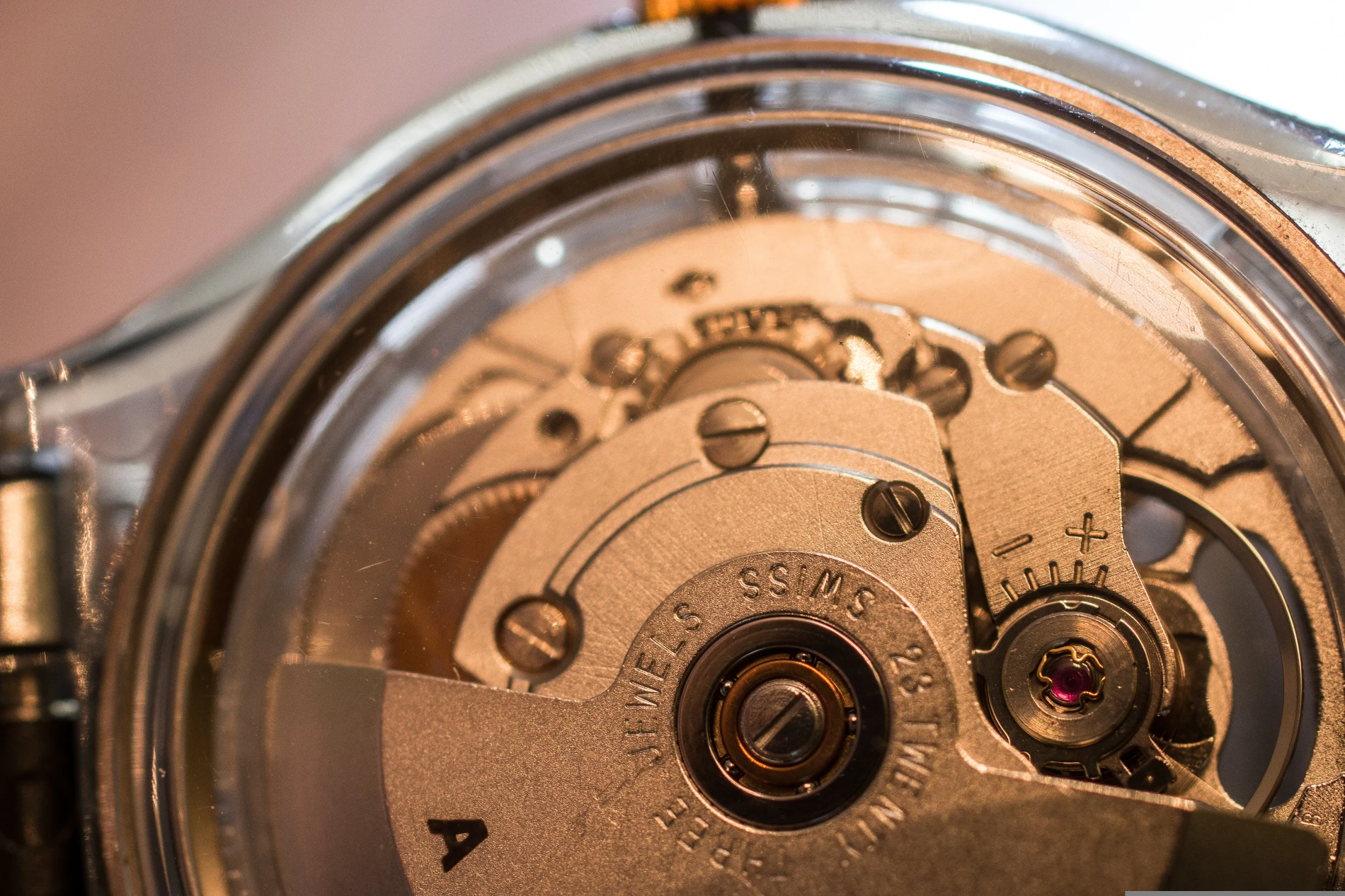
An automatic (sometimes called “self-winding”) movement is mechanical, meaning it has no battery and runs entirely on stored spring tension. What makes it “automatic” is a weighted rotor inside the case that spins with the natural motion of your wrist as you wear it, and that motion winds the mainspring for you. Wear it regularly and it keeps running on its own. Set it down for a few days and it winds down and stops, needing to be manually wound or worn again to restart.
This is the movement type most people picture when they think of a “real” mechanical watch, and it’s the one most associated with traditional watchmaking. It tends to run less precisely than quartz, typically a few seconds to under a minute of drift per day depending on the specific movement and its condition, but that imprecision is part of what collectors are actually paying for. There’s a mechanical, engineered quality to a well-running automatic that a battery-powered watch doesn’t replicate, and that’s a large part of why automatics hold their appeal even though quartz is objectively more accurate.
Automatics also need periodic maintenance to keep running well, since the oils inside break down over time and the mechanism wears with use, which is part of why a documented service history matters so much when you’re buying or selling one.
Manual (Hand-Wind) Movements
A manual movement is mechanical like an automatic, gears, springs, no battery, but without the self-winding rotor. You wind it yourself, typically once a day, by turning the crown. This was the standard before automatics became widespread, and it’s still common in dress watches and some higher-end pieces where a thinner case is a design priority, since removing the automatic rotor allows for a slimmer movement.
Living with a manual watch means building a small daily habit around it. Some people find that tedious. Others genuinely enjoy the ritual of winding it each morning, and treat it as part of what makes the watch feel deliberate rather than disposable.
Quartz Movements
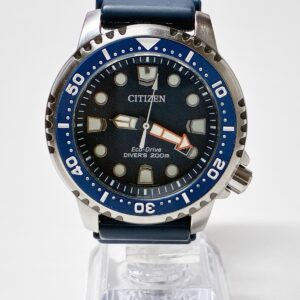
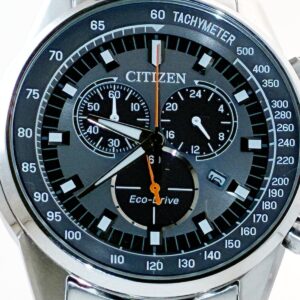
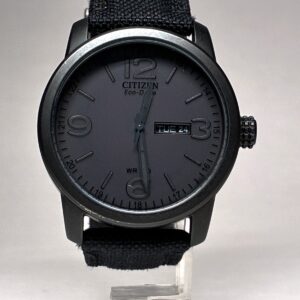
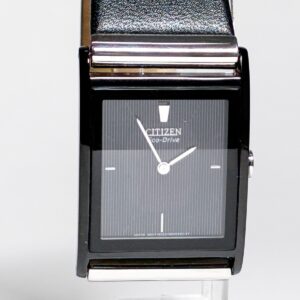
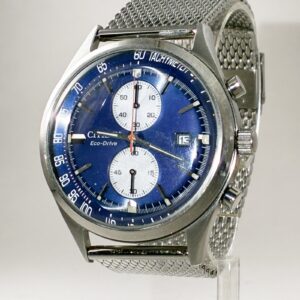
A quartz movement is electronic. A battery sends a small electric current through a quartz crystal, which vibrates at an extremely precise, consistent frequency, and a circuit converts those vibrations into the regular ticks that move the hands. Quartz watches are dramatically more accurate than mechanical ones, typically accurate to within a few seconds per month rather than per day, and they require far less day-to-day attention. No winding, no worrying about the watch stopping if you don’t wear it for a few days, just an occasional battery change.
This is also why quartz watches, even older ones, generally don’t carry the same collector premium that mechanical watches from the same era often do. The appeal of a mechanical watch is largely about the craftsmanship and engineering inside it. A quartz movement is simpler, more standardized, and easier to replace, which tends to put more of a watch’s value on the brand and design rather than the movement itself.
A Few Less Common Types
You may occasionally come across other movement types, most notably kinetic movements (which use an automatic-style rotor to generate and store electricity rather than winding a mainspring) and spring drive movements (a hybrid that uses a mechanical mainspring but regulates it electronically for quartz-level accuracy). These are worth knowing exist, but they’re a smaller slice of the market and not something you’ll run into as often as the three main types above.
What’s New in Movement Technology
Mechanical watchmaking has been around for centuries, but it isn’t standing still. A few developments worth knowing about if you’re curious where the technology is heading:
Silicon components. Traditional mechanical movements rely on metal parts like the hairspring, the tiny coil that regulates timekeeping, which are sensitive to magnetism and temperature changes. Manufacturers increasingly use silicon for these parts instead, since it isn’t affected by magnetic fields and holds up better to temperature swings, which means more consistent accuracy day to day.
New approaches to winding and construction. Some brands are rethinking parts of the mechanical watch that haven’t changed much in a century. This year, for example, one manufacturer replaced the traditional winding crown with a pump-style pusher borrowed from an unrelated product design, changing both how the watch is wound and reducing wear on one of a movement’s most delicate components. Others are pushing miniaturization further with micro-rotor movements, which use a smaller, more efficient winding rotor to allow for thinner cases without sacrificing the self-winding function.
Better manufacturing precision. Advances in machining and materials, including diamond-tipped cutting tools capable of shaping ultra-hard materials, are letting manufacturers produce more precise components at tighter tolerances than was practical even a decade ago. This shows up as improved reliability and longevity across the industry, not just in flagship pieces.
Quartz hasn’t stood still either. Even in the accuracy department where quartz already had the advantage, manufacturers continue to refine circuit efficiency and battery life, meaning today’s quartz watches generally need less frequent battery changes than older ones.
None of this changes the fundamentals we covered above. A silicon hairspring is still part of a mechanical, self-winding, or hand-wound movement, and it still fits into the same automatic, manual, or quartz categories. Think of these as refinements within the existing categories, not a fourth category of their own.
Where Watchmaking Might Be Headed
It’s worth being honest about the limits of predicting this. Watchmaking is a slow-moving, tradition-heavy industry, and most “innovations” announced each year are incremental. But a few directions seem likely to continue:
Materials science will keep chipping away at mechanical watches’ traditional weaknesses, mainly magnetic sensitivity and long-term wear, through silicon and other non-metallic components. Manufacturing precision will keep improving, which tends to mean better reliability rather than dramatically new functions. And there will likely be continued experimentation with how we physically interact with watches, winding mechanisms, case materials, construction methods, even if most of these ideas stay in limited, high-end releases rather than reaching everyday watches.
What almost certainly won’t change is the core appeal that keeps mechanical watches desirable at all: they’re mechanical. A well-made automatic or manual watch is still a small machine you can see and understand the workings of, built by hand, running on stored energy rather than a battery. That’s not something quartz, however accurate, or any future refinement is likely to replace, and it’s a large part of why decades-old mechanical watches remain genuinely collectible while old quartz watches from the same era mostly don’t.
Why This Matters When You’re Buying or Selling
Knowing the movement type in a watch you’re considering tells you what to expect from it: how much maintenance it’ll need, how accurate it’ll be day to day, and what kind of value story it’s likely to have. A mechanical watch, automatic or manual, in good running order with a documented service history is a fundamentally different proposition than the same watch running poorly with no history behind it. A quartz watch is a more straightforward purchase, since accuracy isn’t in question, but originality and condition still matter to what it’s worth.
If you’re trying to figure out what your own watch is worth, movement type is one of the first things to nail down, since it changes how the rest of the value factors apply. We’ve written more on that here if you want the full breakdown.