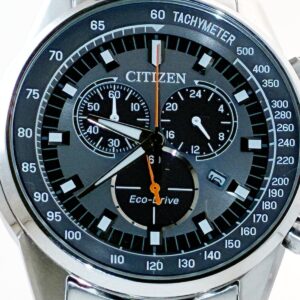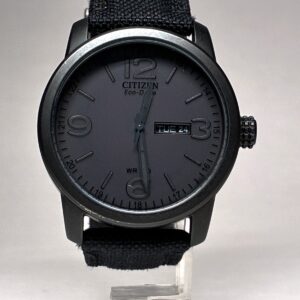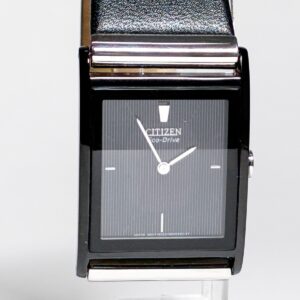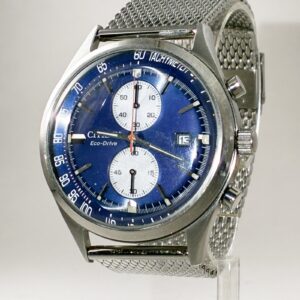
Selling a watch, whether it is spending way more time in your watch case than on your wrist or you’re parting with a piece from an estate, isn’t something most people often do. That’s exactly why so many sellers end up leaving money on the table or, worse, getting taken advantage of. Here are some mistakes we see, and how to avoid them.
For a deeper look at what actually determines a watch’s value, see our guide, How Much Is My Watch Worth? A Real Guide to Pricing. The mistakes below are less about pricing and more about the decisions sellers make along the way, decisions that can cost you money or peace of mind regardless of what your watch turns out to be worth.
1. Selling to the First Buyer Who Makes an Offer
Taking the first offer you receive, especially from a walk-in jewelry store or pawn shop, often means accepting well below what your watch is worth. Offers on the same watch can vary widely depending on who’s buying and why. Unless you already know a buyer is trustworthy, it’s worth getting more than one opinion before you commit to anything.
2. Not Researching the Watch’s Value for Yourself
Take the time to research your watch’s specifics and get a sense of its current market value. This will help you set a realistic asking price that’s not too high or too low. We describe how to check prices using eBay’s sold listings in the article mentioned in the second paragraph above.
3. Attempting Repairs or Cleaning Before Selling
The instinct to polish a case, replace a crystal, or attempt a battery swap before selling a watch is understandable, but it can work against you. Over-polishing softens case edges and can remove details that matter to a knowledgeable buyer. A well-meaning repair by someone unfamiliar with the movement can cause damage that costs more to undo than the watch was worth. If a watch needs work, it’s usually better to sell it as-is and let the buyer factor that into their offer than to risk creating a bigger problem.
You can help get the best price for a non-running watch by giving as much information as possible to a prospective buyer. Information about the service history is helpful if you know it. Also, details like the watch runs but stops after X minutes or hours. Or runs but loses X minutes a day.
4. Shipping Without Insurance, Tracking or Signature
How you ship matters as much as who you ship to. A watch lost or damaged in transit with no insurance and no tracking is a loss with no recourse. A legitimate buyer will expect, and often require, that a valuable item be shipped with tracking and insurance for its full value. Treat this as non-negotiable, no matter how trustworthy the buyer seems. Also pay the extra fee for proof of delivery. USPS offers simple proof of delivery for around $5, meaning someone at the address signed for the package. And offers an Adult Signature with proof of ID for around $10.
5. Overlooking the original box
If you know you have the box and other materials, it’s worth your time and effort to find them. The original box, papers, and extra links add value to the watch. It also helps the buyer feel more confident about completing the purchase. The condition of the box and everything that came with the watch affects its value in the same way condition affects the watch’s value. If the box or papers are damaged, be sure to describe or photograph the damage.
6. Not Carefully Considering a Watch’s Condition
Your watch’s condition plays an important part in determining its value. Inspect your watch in a brightly lit location using a magnifier. Look at the case, crystal, case back, and straps or bracelet carefully under magnification. There’s no advantage to making the watch sound better than it is. If you’re unsure about the watch’s condition, share your questions with prospective buyers.
7. Price Negotiation
Some buyers and sellers feel that price haggling is an art to be vigorously pursued. Deals are more likely made when both parties clearly state their best offers early in the process. Egos and anger can easily prevent positive results.
8. Ignoring Red Flags in a Buyer
Just as sellers should be informed, buyers should be transparent. Be cautious of anyone who won’t explain how they arrived at an offer, pressures you to decide immediately, or asks you to ship a watch and work out payment details later. A trustworthy buyer will walk you through their reasoning and give you time to consider the offer without pressure.
9. Letting Sentimental Value Set Your Price Expectations
A watch that belonged to a parent or was a gift from someone important often carries meaning that has nothing to do with market value. That meaning is real, but it isn’t something a buyer can price into an offer. Sellers who go in expecting a premium for sentimental value are often disappointed, not because the buyer is being unfair, but because that kind of value isn’t transferable. It can help to separate the two decisions: whether you’re ready to part with the watch at all, and what it’s actually worth in the market.
10. Not Asking How an Offer Was Calculated
A number on its own doesn’t tell you much. A buyer who can explain what they looked at, movement conditions, originality, documentation, current demand, and how that translated into their offer is giving you something you can actually evaluate. A buyer who can’t or won’t explain their reasoning is asking you to trust them blindly. You don’t have to accept an offer to ask this question, and a legitimate buyer won’t mind being asked.
Selling with Confidence
None of these mistakes means selling a watch has to be complicated or stressful. It just means going in informed, taking a few reasonable precautions, and choosing a buyer who’s transparent about how they value your piece and how they’ll handle the transaction. That combination will put you in a far better position than sellers sometimes find themselves.
If you’re ready to get an offer on your watch, we’re happy to walk you through exactly how we arrive at our numbers, no pressure, no guesswork.